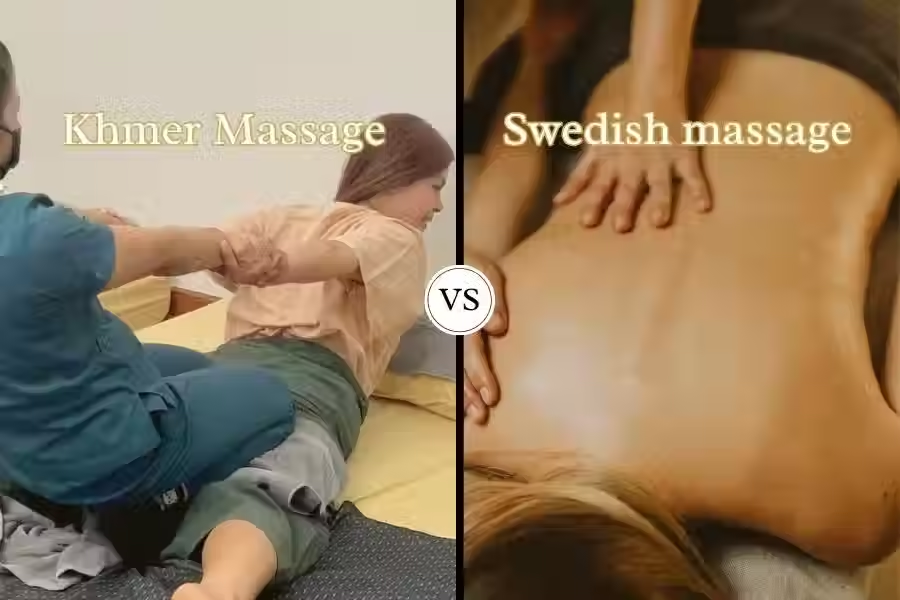
Best Type of Massage for Relaxation: 29 Top Choices
- 4 days ago
- 12 min read
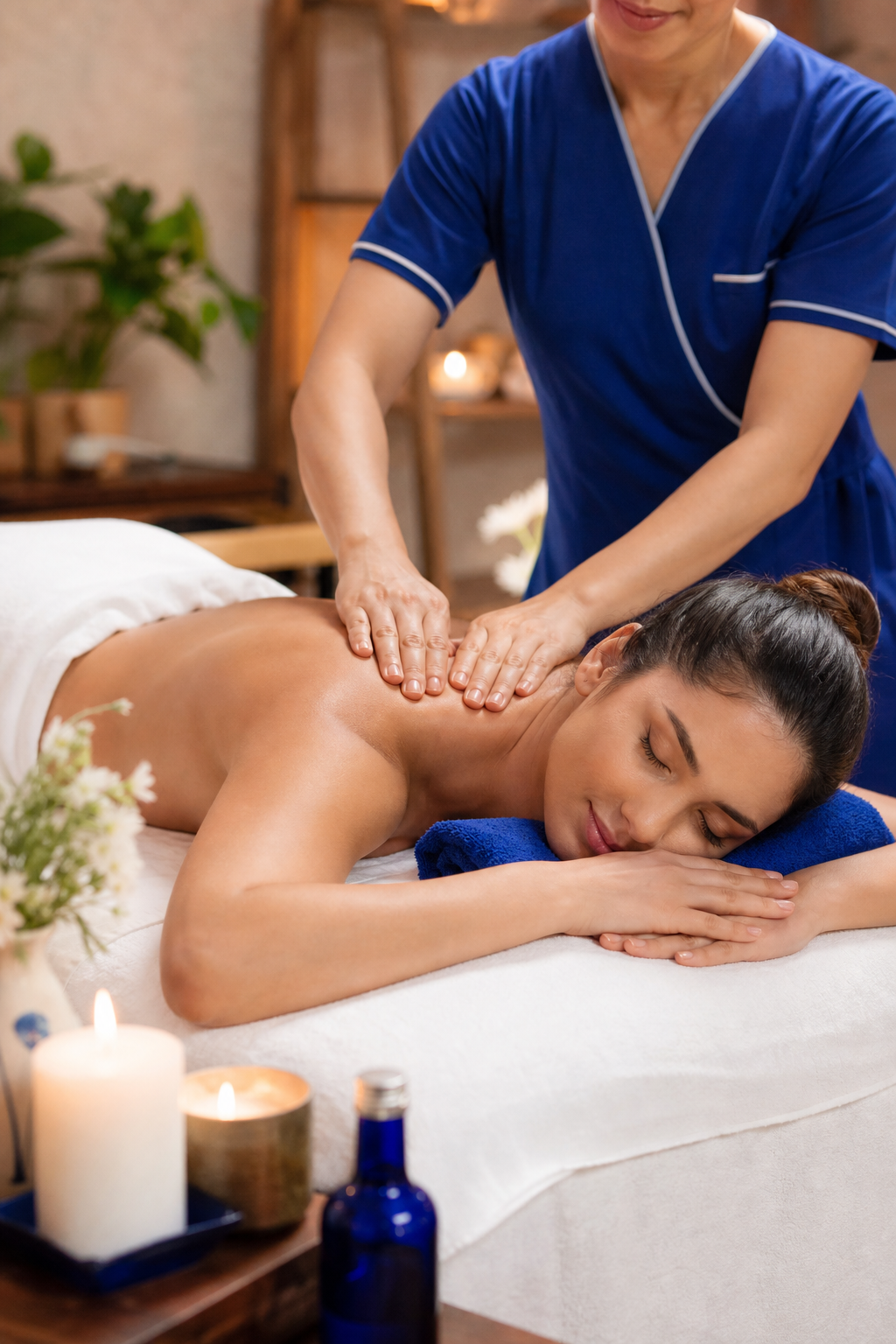
Feeling the pressure of a nonstop day? Let’s sort through the sea of massage styles and find the one that melts stress away. In the next few minutes you’ll see a clear shortlist, learn what each technique feels like, and discover why Cholsa Spa Phnom Penh is the place to try them.
We’ll walk you through each option, give usable tips, and end with a quick buyer’s checklist so you can book the perfect session.
1. Cholsa Spa Signature Relaxation Massage , Our premium full-body experience
Our signature massage blends deep Khmer pressure, gentle stretches, and soothing aromatics. The therapist starts with light effleurage to warm the muscles, then moves into deeper kneading along the back, shoulders, and legs. A short pause lets the body settle before the final soothing strokes.
Why it works: Khmer massage pairs deep pressure with stretching, a combo proven to release tension for office workers and athletes alike. For a deeper comparison, see our Khmer Massage vs Swedish Massage guide. A reputable health source explains that Swedish, hot stone, and deep tissue are popular, but Khmer adds a unique stretch element that many find especially calming . The result is a full‑body reset that leaves you light and clear‑headed.
Usable tip: Ask your therapist to focus on the neck and lower back if you spend long hours at a desk. Those areas store most of the day’s stress.
When you step into our private room, you’ll notice the soft lighting, gentle music, and a subtle hint of lavender from the diffuser. The environment itself acts like a silent therapist.
Ready to unwind?Ready to melt stress away? Try Cholsa Spa Phnom Penh free →
We keep every sheet fresh, every tool sanitized, and every therapist trained in Khmer tradition. That level of care makes the difference between a good massage and a great one.
Key takeaway: The signature massage combines deep muscle work with calming aromatherapy for a balanced, lasting relaxation .
Pro tip: Book a 90‑minute slot if you want the full sequence of warm‑up, deep work, and cool‑down.
2. Swedish Massage , Classic gentle strokes for total calm
Swedish massage uses long, flowing strokes that follow the direction of blood flow. It’s the go‑to choice for newcomers who want a gentle, stress‑free experience.
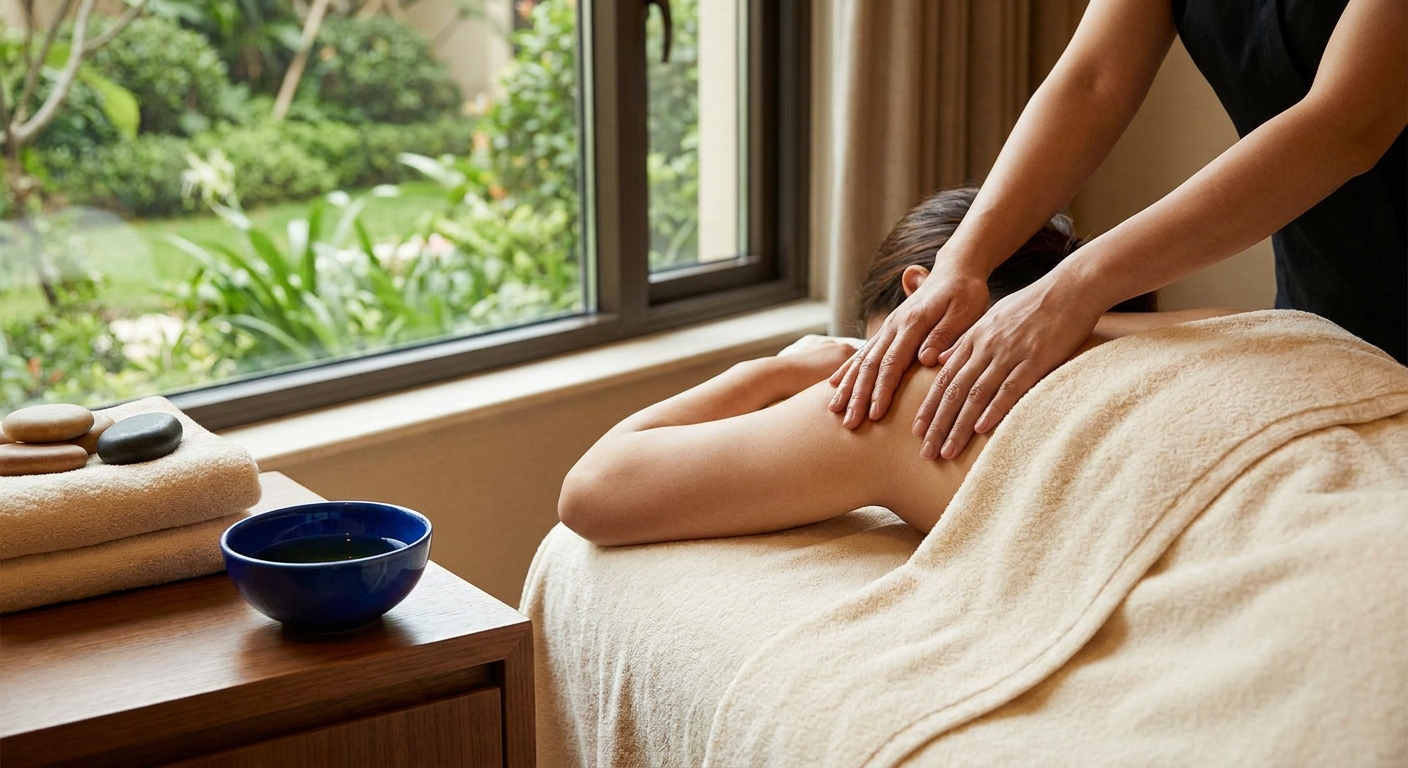
The therapist starts with broad effleurage on the back, then adds petrissage to knead the shoulders. Light friction loosens tight spots, while gentle tapotement adds a rhythmic pulse.
Research shows that Swedish massage improves circulation and lowers cortisol, the stress hormone. Wikipedia notes its popularity for relaxation and its use in many wellness centers worldwide.
Usable tip: If you’re new to massage, ask for a lighter pressure setting. You can always ask for more depth in later sessions.
At Cholsa Spa, our Swedish option includes a short aromatherapy infusion. The scent of chamomile enhances the calming effect without overwhelming the senses.
Consider adding a foot soak before the session; warm water prepares the muscles and makes the strokes feel smoother.
Key takeaway: Swedish massage offers a gentle, whole‑body glide that eases tension and improves mood.
3. Deep Tissue Massage , Targeted pressure for deep relief
Deep tissue massage focuses on the deepest layers of muscle and fascia. Slow, firm strokes break down chronic knots and improve range of motion.
Therapists use their elbows, forearms, and knuckles to reach stubborn areas. The pressure may feel intense, but it should never be painful.
According to expert guidance, deep tissue is ideal for people with chronic muscle pain or post‑workout soreness. It also helps reduce anxiety by releasing tension that the body holds.
Usable tip: After a deep tissue session, drink plenty of water. Hydration helps flush out metabolic waste released from the muscles.
Below is a quick comparison of deep tissue versus other popular styles:
Feature | Deep Tissue | Swedish | Aromatherapy |
Pressure | Heavy | Light‑to‑moderate | Light |
Goal | Release chronic knots | General relaxation | Emotional calm |
Typical length | 60‑90 min | 60‑90 min | 60‑90 min |
Remember to schedule a follow‑up session within a week if you’re treating a specific injury. The body often needs a series of treatments to fully heal.
Key takeaway: Deep tissue is the heavyweight champion for stubborn tension, but it requires proper after‑care.
4. Aromatherapy Massage , Essential oils enhance calm
Aromatherapy blends soft pressure with therapeutic oils. Each oil carries its own mood‑boosting properties.
Lavender eases anxiety, eucalyptus clears the mind, and peppermint lifts energy. The therapist selects the blend based on your goals.
Healthline notes that aromatherapy can significantly reduce anxiety levels during a massage session. The scent works through the olfactory nerves, sending calming signals to the brain.
Usable tip: If you have a favorite scent, let the therapist know. Personal preference can make the experience even more relaxing.
At Cholsa Spa, we use only pure, food‑grade essential oils. The oils are diluted with a carrier oil to protect the skin.
After the massage, we offer a warm herbal tea to extend the calming effect.
Key takeaway: Aromatherapy adds an invisible layer of relaxation that works on the mind as well as the body.
5. Hot Stone Massage , Warm stones melt tension
Hot stone massage places heated basalt stones on key points of the body. The heat penetrates deep muscles, making them more pliable.
Therapists may also hold a stone while gliding it along the back. The combination of heat and pressure eases tight shoulders and improves circulation.
According to Healthline , hot stone can boost blood flow and promote a profound sense of calm.
Usable tip: Ask for a stone temperature between 120°F and 140°F. Too hot can cause discomfort; too cool loses the therapeutic effect.
Our private rooms keep the temperature stable, so the stones stay warm for the full 90‑minute session.
After the massage, a cool‑down period with a gentle stretch helps lock in the benefits.
Key takeaway: Warm stones add a soothing heat layer that deepens muscle relaxation.
6. Scalp Massage , Soothing head pressure for stress release
Scalp massage works on the nerve endings at the base of the skull. Gentle circular motions stimulate blood flow and calm the nervous system.
The technique is especially helpful after long hours in front of a screen or after a hair‑transplant procedure. In fact, a post‑transplant care guide suggests a light scalp massage to improve circulation and reduce swelling.
For more on post‑transplant care, see Best Hair Transplant Turkey Cost Options for 2026. The article notes that gentle scalp massage can aid healing.
Usable tip: Ask the therapist to use a light oil like jojoba. It adds slip without weighing down the hair.
We keep the room quiet, with a subtle hum of nature sounds. The ambience helps the scalp massage feel like a mini‑retreat.
Key takeaway: A short scalp massage can lower stress hormones and improve focus.
7. Foot Reflexology , Pressure points for whole‑body ease
Reflexology applies pressure to specific points on the feet that correspond to organs and muscle groups. The theory is that stimulating these points releases blocked energy.
Therapists use thumbs and fingers to press, hold, and release each point. Sessions last 30‑60 minutes, making it a quick yet effective option.
A 2018 review found that reflexology can significantly reduce anxiety in patients undergoing cardiovascular procedures. The same study highlighted improved sleep quality after regular sessions.
Usable tip: Wear loose socks after the session to keep the feet warm. Cold air can undo the circulation boost.
At Cholsa Spa, we combine reflexology with a brief foot soak infused with eucalyptus. The steam opens the pores, enhancing the massage’s effect.
Key takeaway: Foot reflexology offers a fast, full‑body reset without needing to undress.
8. Thai Massage , Stretching and flow for deep calm
Thai massage blends assisted yoga‑like stretches with rhythmic pressure. Therapists use their hands, elbows, and feet to guide the body through a series of poses.
The method improves flexibility, joint mobility, and energy flow. Because you stay clothed, it feels less vulnerable for some guests.
Research from the University of Sochi notes that Thai massage can lower heart rate and improve balance, making it a solid choice for stress reduction.
Usable tip: Bring comfortable loose clothing. Tight fits can restrict the stretches.
Our Thai sessions end with a gentle rocking motion that mimics a lullaby, helping the mind settle.
Key takeaway: Thai massage is a dynamic, full‑body experience that blends stretch and pressure for deep relaxation.
9. Lomi Lomi Hawaiian Massage, Rhythmic waves of tranquility
Lomi Lomi uses long, flowing strokes that echo the motion of ocean waves. Therapists often use forearms and elbows to create a continuous, soothing rhythm.
The technique nurtures both body and spirit, encouraging a meditative state. Expert descriptions highlight improved circulation and reduced muscle tension.
According to a reputable wellness source, the rhythmic flow helps lower stress hormones and supports overall well‑being.
Usable tip: Request a warm oil blend with tropical scents like coconut or pineapple for an authentic island feel.
We play soft Hawaiian music in the background, letting the soundscape reinforce the wave‑like motions.
Key takeaway: Lomi Lomi offers a fluid, immersive experience that washes stress away.
10. Prenatal Massage , Gentle care for expecting mothers
Pregnancy brings back pain, swelling, and hormonal mood swings. A gentle prenatal massage targets the lower back, hips, and legs while the client lies on a side‑lying table.
A systematic review in PubMed found that regular prenatal massage reduces stress, back pain, and risk of preterm delivery.
Therapists avoid the abdomen and use light strokes. The focus is on relieving the weight‑induced pressure on the spine and improving circulation.
Usable tip: Keep a pillow under the knees to ease lower‑back strain during the session.
Our therapists are trained in safe prenatal techniques, ensuring both mother and baby stay comfortable.
Key takeaway: Prenatal massage offers safe, soothing relief for pregnant guests.
11. Shiatsu Massage , Finger pressure on meridians for serenity
Shiatsu is a Japanese style that uses finger pressure on specific meridian points. The therapist applies rhythmic pressure, then releases, encouraging energy flow.
Studies show Shiatsu can improve sleep quality and lower blood pressure, making it a solid choice for stress relief.
Usable tip: Wear loose clothing so the therapist can access the shoulders and back without needing to undress.
We pair Shiatsu with a light herbal compress to deepen the calming effect.
Key takeaway: Shiatsu balances the body’s internal pathways, leading to a calm mind.
12. Balinese Massage , Warm oil and gentle stretches for bliss
Balinese massage mixes gentle stretches, skin‑rolling, and aromatherapy. Warm oil helps the therapist glide smoothly across the skin.
Research indicates that the combination of heat and motion improves circulation and reduces muscular tension.
Usable tip: Ask for a sandalwood oil blend if you enjoy a woody, grounding scent.
Our Balinese sessions finish with a short meditation, letting the calm settle.
Key takeaway: Balinese massage blends movement and heat for a soothing, all‑over calm.
13. Sports Massage , Light strokes for recovery and calm
Sports massage targets muscles used during exercise. It mixes light strokes with deeper work on sore spots, helping athletes recover faster.
According to leading wellness research, massage improves mobility and can reduce post‑workout soreness.
Usable tip: Schedule a sports massage within 24 hours after a heavy workout for optimal recovery.
We tailor each session to your sport, whether you run, cycle, or practice yoga.
Key takeaway: Sports massage speeds recovery while keeping stress levels low.
14. Reiki Healing Massage , Energy alignment for inner peace
Reiki practitioners channel gentle hand‑placed energy over the body. The massage portion is light, allowing the energy flow to do most of the work.
Clinical trials suggest Reiki can lower anxiety and improve sleep quality, supporting relaxation.
Usable tip: Keep an open mind; the effect is subtle but can be profound over repeated sessions.
We combine Reiki with a short aromatherapy blend to enhance the soothing atmosphere.
Key takeaway: Reiki adds a subtle energetic layer to a physical massage, deepening calm.
15. Bamboo Massage , Smooth sticks for soothing pressure
Bamboo sticks act like rollers, delivering firm pressure without the harshness of elbows. The therapist rolls the sticks along the back, shoulders, and legs.
Industry experts note that bamboo can reach deep muscle layers while feeling more gentle than traditional deep‑tissue tools.
Usable tip: Ask for a warm bamboo session; heat the sticks slightly for extra muscle relaxation.
Our bamboo therapists are trained to adjust pressure based on feedback, ensuring comfort.
Key takeaway: Bamboo offers a unique, firm‑yet‑smooth pressure that melts tension.
16. Cupping Massage , Suction for deep release and calm
Cupping creates a vacuum on the skin, pulling tissue upward. The suction boosts blood flow and releases tight fascia.
Wellness experts explains that cupping can improve circulation, reduce inflammation, and activate the immune response.
Usable tip: After a cupping session, apply a light moisturizer to soothe the temporary marks.
We use silicone cups for a controlled suction, adjusting the intensity to match your comfort level.
Key takeaway: Cupping adds a suction‑based dimension that unlocks deep muscle knots.
17. Swedish‑Lomi Fusion , Combined flow for ultimate ease
This hybrid blends Swedish’s gentle gliding strokes with Lomi Lomi’s rhythmic wave motions. The therapist alternates between light effleurage and longer, flowing forearm sweeps.
The result is a soothing cascade that feels both structured and fluid.
Usable tip: Choose a calming oil like ylang‑ylang to complement the dual technique.
Our fusion sessions end with a brief breathing exercise, sealing the relaxation.
Key takeaway: Fusion offers the best of both worlds, structure and flow, for deep calm.
18. Ayurvedic Abhyanga , Warm oil ritual for soothing the mind
Abhyanga is a full‑body oil massage using warm herbal oils. The therapist rubs the oil from head to toe in long, rhythmic strokes.
Wellness experts note that Abhyanga improves circulation, reduces stress, and balances the body’s energies.
Usable tip: Ask for sesame oil if you prefer a nutty aroma that grounds the senses.
We finish with a gentle head massage that leaves you feeling centered.
Key takeaway: Warm oil and steady rhythm make Abhyanga a calming ritual for mind and body.
19. Trigger Point Therapy , Focused pressure for instant calm
Trigger point therapy zeroes in on tight knots called myofascial trigger points. The therapist applies firm, localized pressure until the knot releases.
Industry experts note that this technique can quickly reduce pain and improve range of motion.
Usable tip: After a session, stretch the treated area gently to keep the muscle lengthened.
Our therapists map out each knot before work begins, ensuring precise treatment.
Key takeaway: Targeted pressure brings fast relief for stubborn knots.
20. Gentle Rocking Massage , Rhythmic sway for deep tranquility
Rocking massage uses a specially designed table that gently rocks side‑to‑side while the therapist works on the back and shoulders.
The motion mimics a lullaby, triggering the body’s parasympathetic response.
Usable tip: Wear a light, breathable top to let the skin breathe during the rocking motion.
We pair rocking with a soft ambient soundtrack to amplify the soothing effect.
Key takeaway: The subtle sway adds an extra layer of calm beyond touch alone.
21. Watsu (Water Shiatsu) , Warm water flow for serene release
Watsu combines Shiatsu pressure with warm water immersion. The therapist cradles the client in a shallow pool, guiding gentle stretches while applying finger pressure.
Research shows that warm water reduces muscle tension and supports joint mobility.
Usable tip: Bring a towel and a change of clothes; the session ends with a quick rinse.
Our pool is heated to 92°F, perfect for muscle relaxation without overheating.
Key takeaway: Water adds buoyancy, allowing deeper stretches with less strain.
Pro Tip:When choosing a massage, consider the pressure you enjoy, the length of time you have, and any specific goals like better sleep or faster recovery.
Buyer’s checklist
Do you prefer light, gentle strokes or deep pressure?
Is the session length a factor? (30 min vs 90 min)
Do you want added aromatherapy, heat, or a specific cultural technique?
Any medical conditions? (Pregnancy, chronic pain, etc.)
Location and ambiance matters , private rooms, music, lighting.
FAQ
What’s the difference between Swedish and deep tissue massage?
Swedish massage uses light to moderate pressure and long, flowing strokes that promote overall relaxation and circulation. Deep tissue applies firmer, slower strokes that target the deeper layers of muscle and connective tissue, helping to break up chronic knots. If you want a gentle stress‑relief session, Swedish is the safer bet. If you carry persistent tension or have a specific injury, deep tissue can provide longer‑lasting relief, but you may feel sore afterward.
Is aromatherapy safe for people with allergies?
Most essential oils are diluted before use, reducing the risk of skin irritation. However, if you have known sensitivities, let the therapist know. They can choose hypoallergenic oils like lavender or chamomile, which are generally well‑tolerated. A patch test on the forearm can also confirm safety before a full‑body session.
Can I get a massage during pregnancy?
Yes, prenatal massage is designed specifically for expectant mothers. Therapists use side‑lying positions, avoid the abdomen, and focus on the lower back, hips, and legs. Studies show it can lower stress, reduce back pain, and even improve birth outcomes. Always check with your doctor first, especially if you have high‑risk pregnancy factors.
How often should I schedule a relaxation massage?
Most wellness experts recommend a monthly session for consistent stress reduction. If you have a high‑stress job or intense workout routine, bi‑weekly sessions can keep muscle tension at bay. Listen to your body, if you feel tightness building, book sooner. Regular massages also support better sleep and mood stability.
What should I wear for a hot stone massage?
Wear loose, comfortable clothing that allows easy access to the back and shoulders. You’ll be covered with a sheet, so underwear is optional. Some guests prefer to wear athletic shorts and a tank top, which stays cool while the therapist places stones on the body.
Are there any contraindications for cupping therapy?
Cupping is generally safe, but avoid it if you have skin infections, open wounds, or blood‑clotting disorders. People on anticoagulant medication should also consult a doctor first. Pregnant women can receive cupping on the back and shoulders, but not on the abdomen. Always discuss your medical history with the therapist before starting.
Conclusion
Choosing the right massage is a personal journey. Whether you crave the gentle glide of Swedish, the deep release of Khmer, or the soothing heat of hot stones, each style offers a unique path to calm. At Cholsa Spa Phnom Penh we blend authentic Khmer techniques with modern comforts, giving you a safe, private haven in the heart of the city. Our skilled therapists tailor each session to your needs, whether you’re a local professional, an expat, or a traveler seeking a moment of peace.
Take a moment to review the buyer’s checklist above, then book the style that matches your mood and goals. Your body will thank you, your mind will clear, and you’ll leave feeling refreshed enough to tackle the bustling streets of Phnom Penh with a new sense of ease.
Ready to experience the calm? Visit Cholsa Spa Phnom Penh and reserve your session today.